
The company
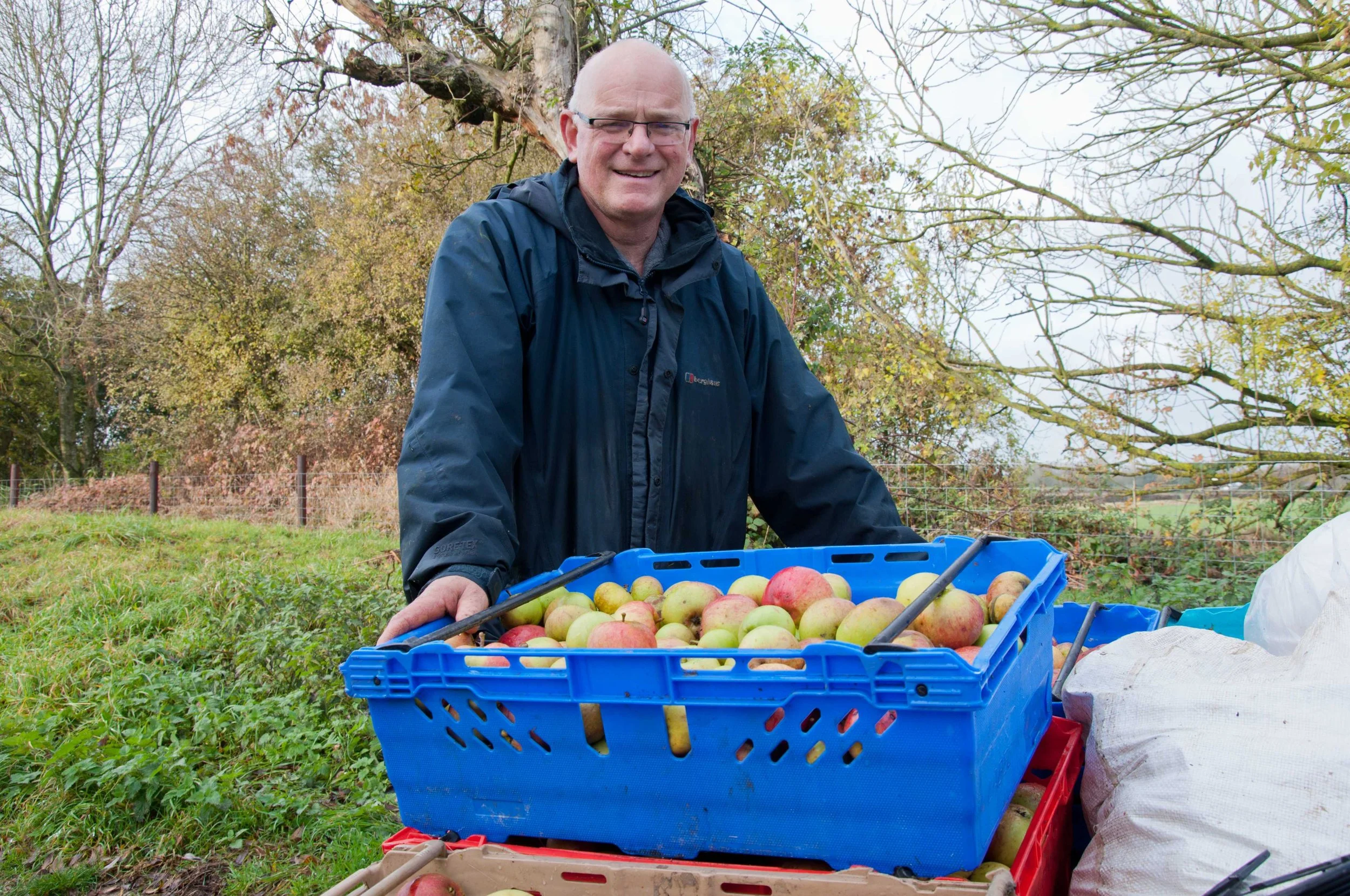
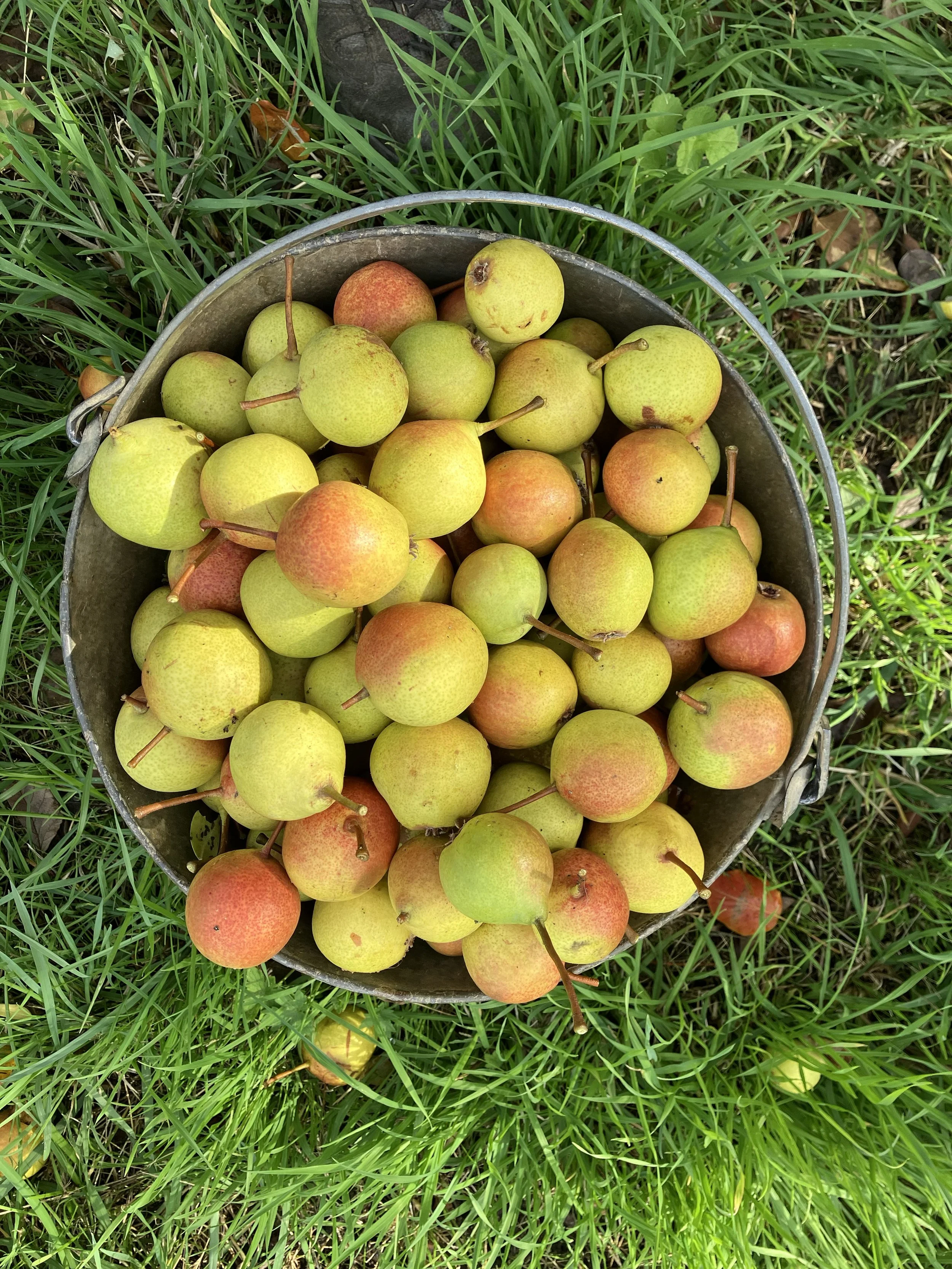
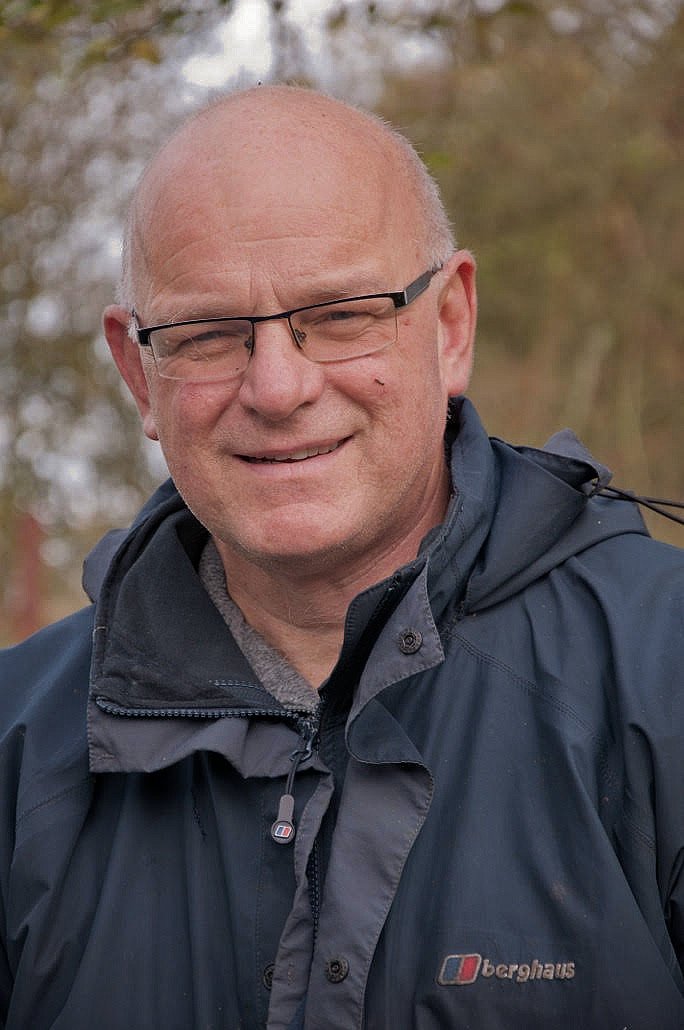
The Cotswold Fruit Company Ltd. is a small family business, owned and operated by David Lindgren. David swapped a career in the corporate world of the drinks industry for something far more enjoyable - making cider and restoring orchards. Apples were first gathered in the autumn of 2015 and the resulting cider first sold in April 2016. The business grew steadily until 2020, when the Covid pandemic threw a rather large spanner in the works. On the bright side, that period did initiate the introduction of our Limited Edition ciders and perries - small batches made from particular varieties or from a particular orchard - a task which increasingly attracts attention and interest.
Throughout, there has been no deviation from the guiding principle of only ever using UNSPRAYED fruit , the vast majority of which comes from local, Gloucestershire orchards and gardens. Orchards are havens of biodiversity … but not if they’re doused in chemicals.
The team
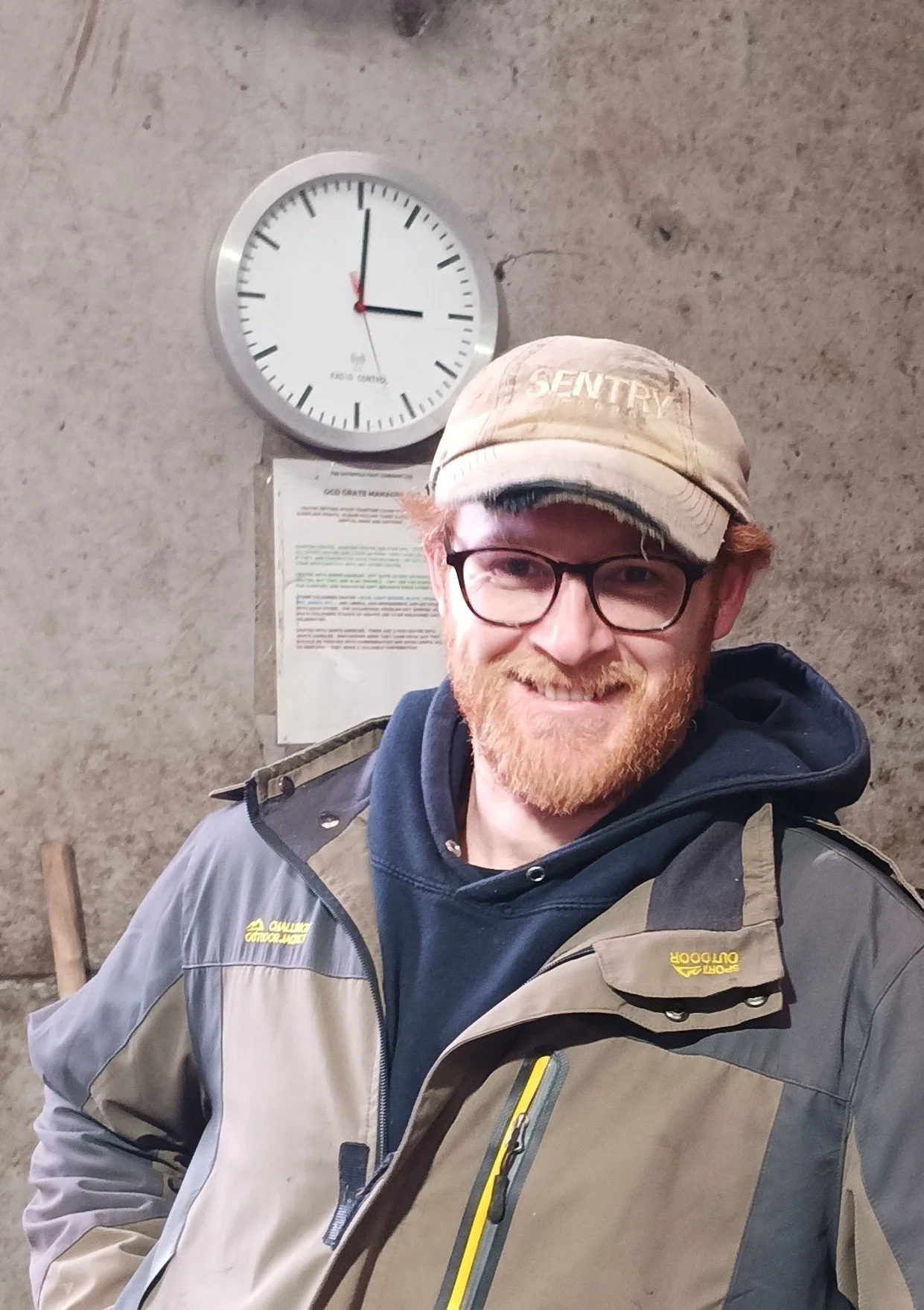
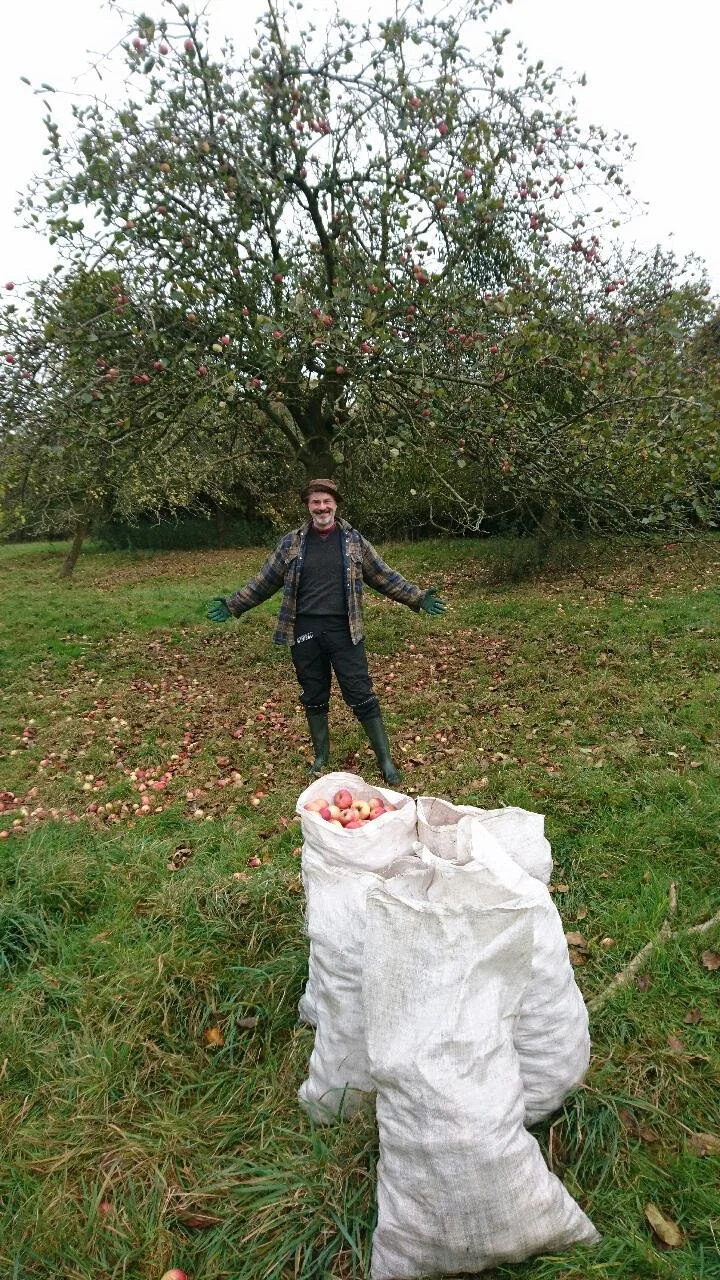
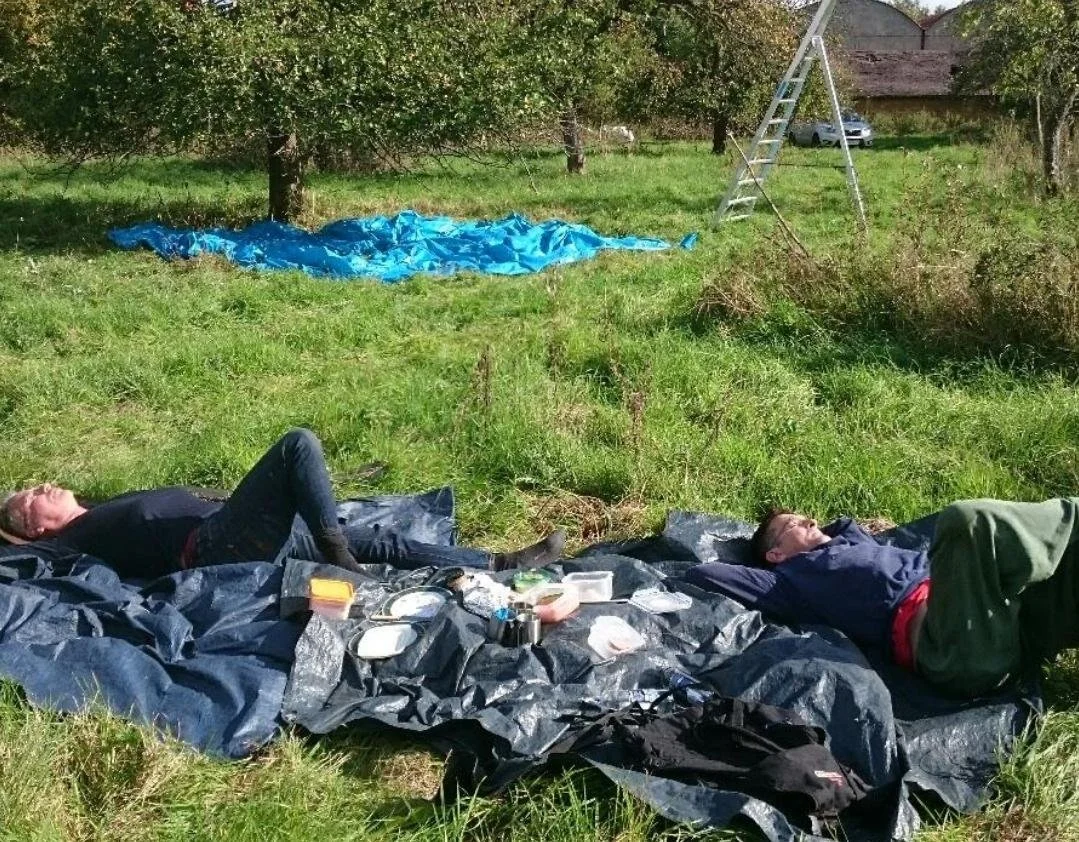
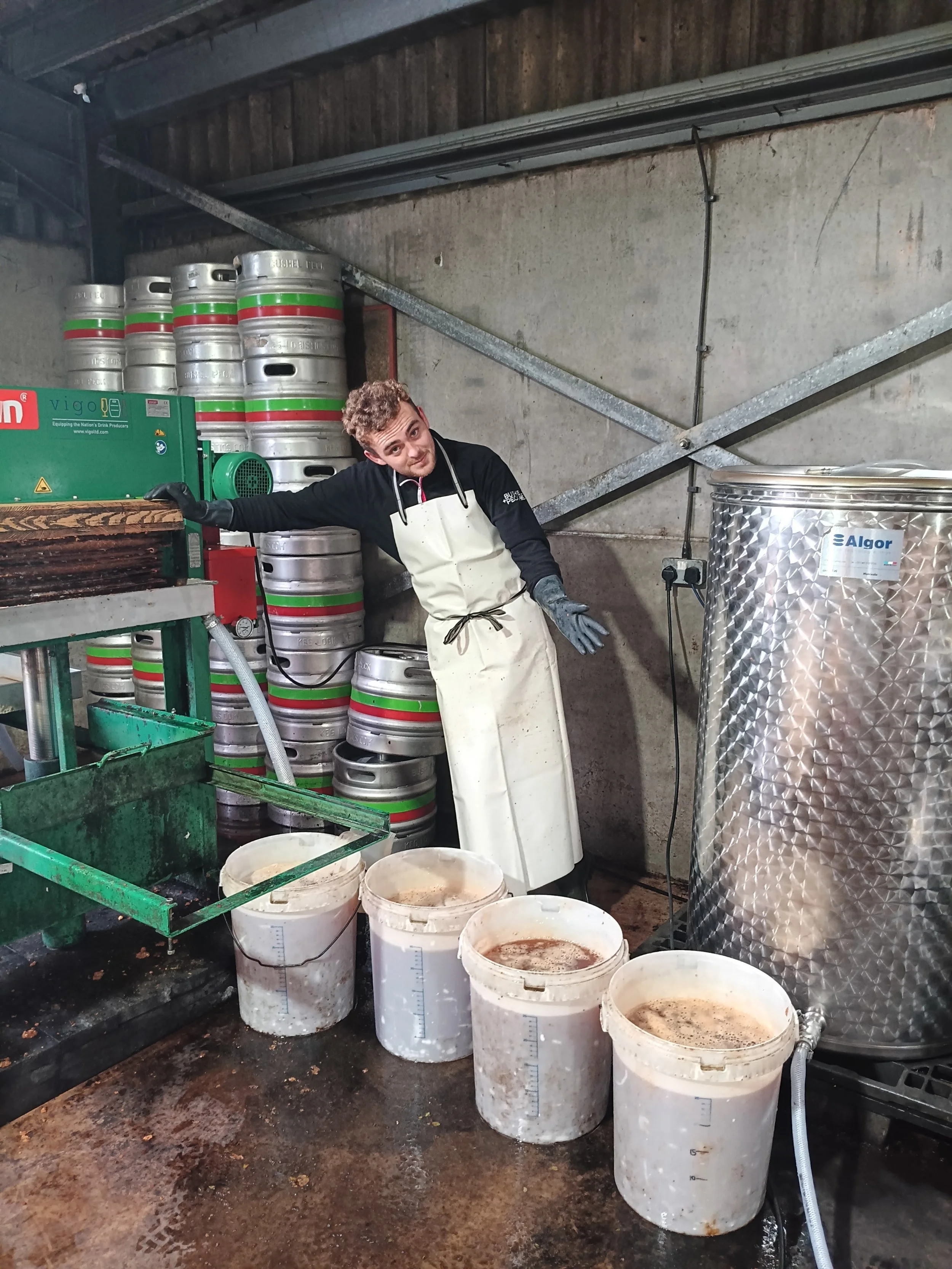
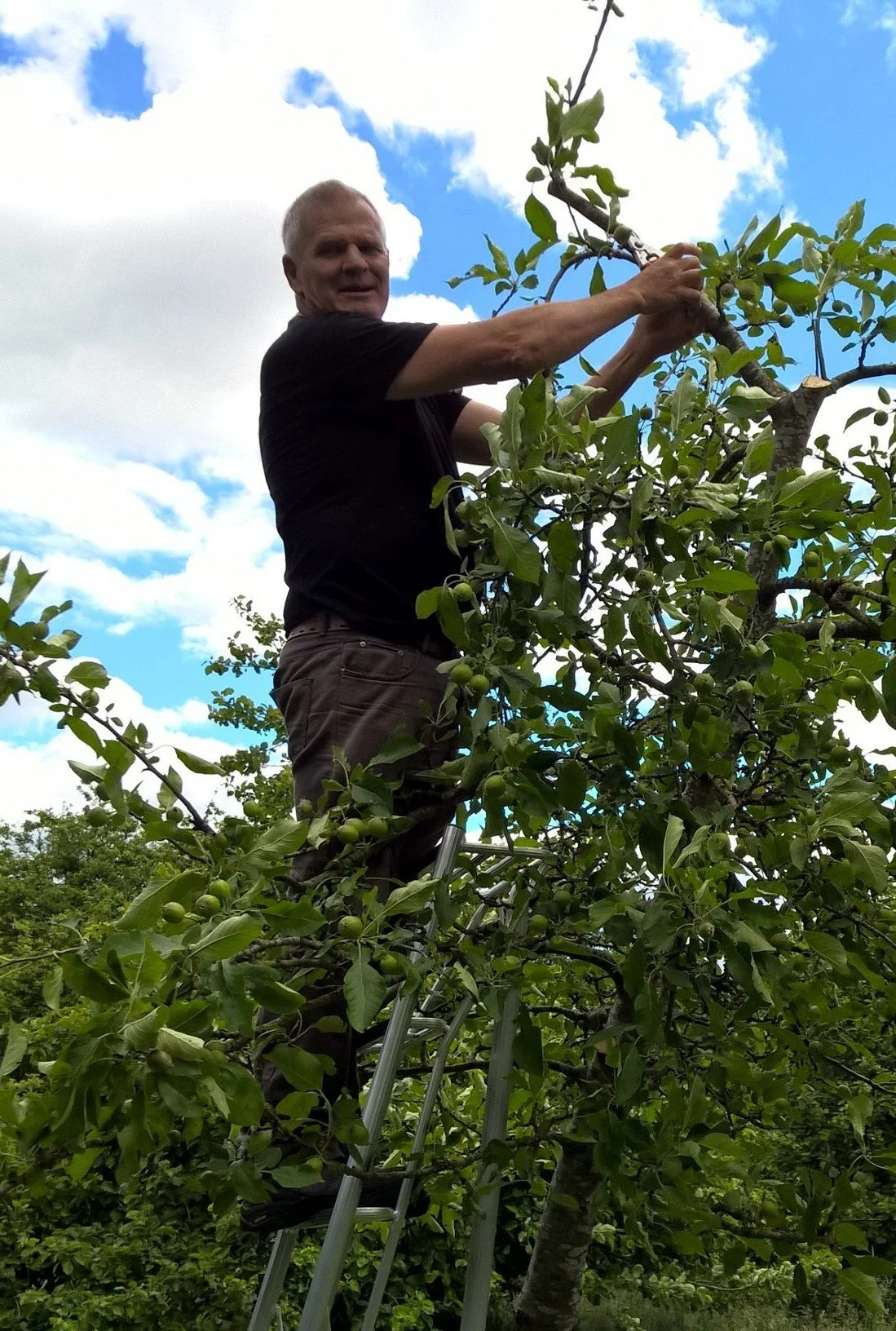
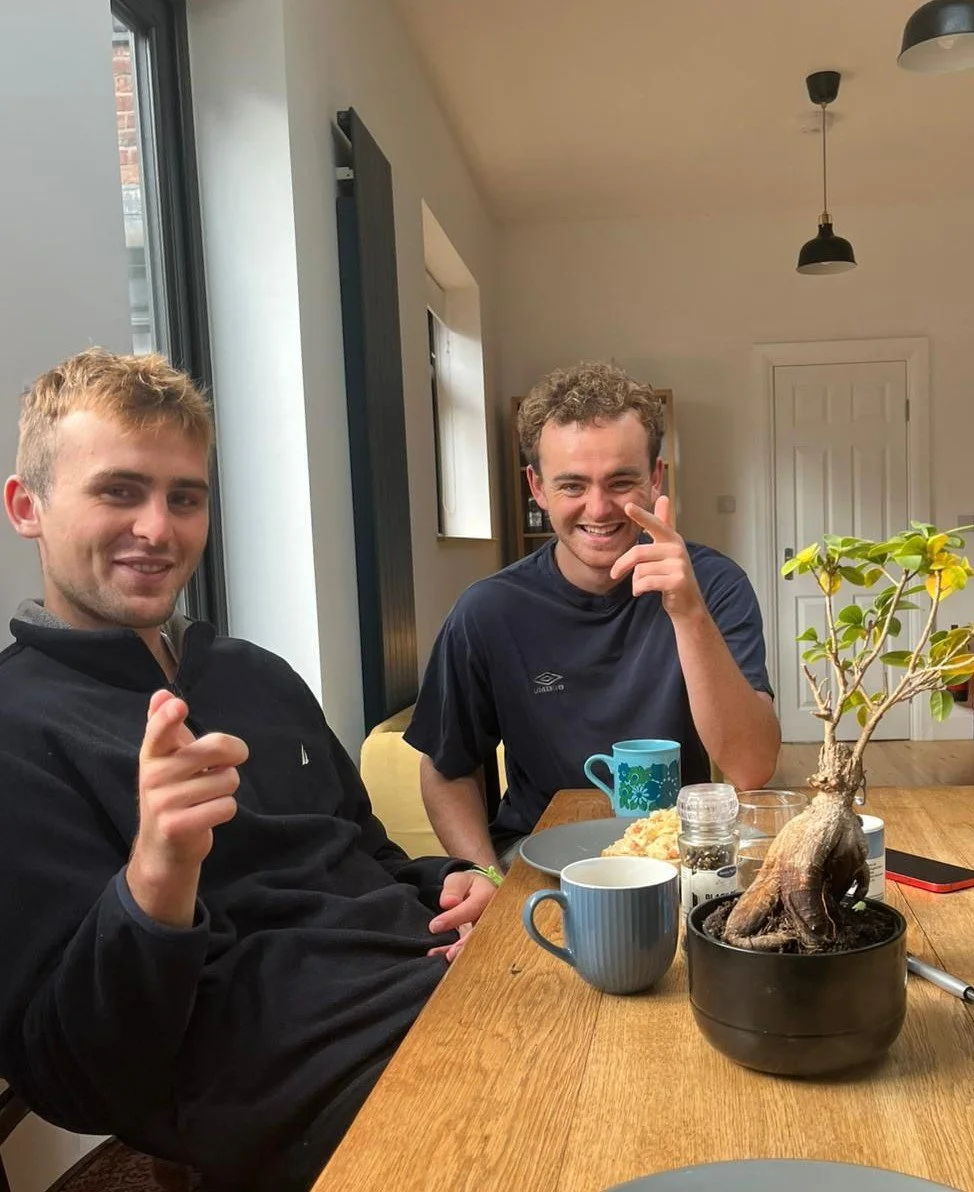
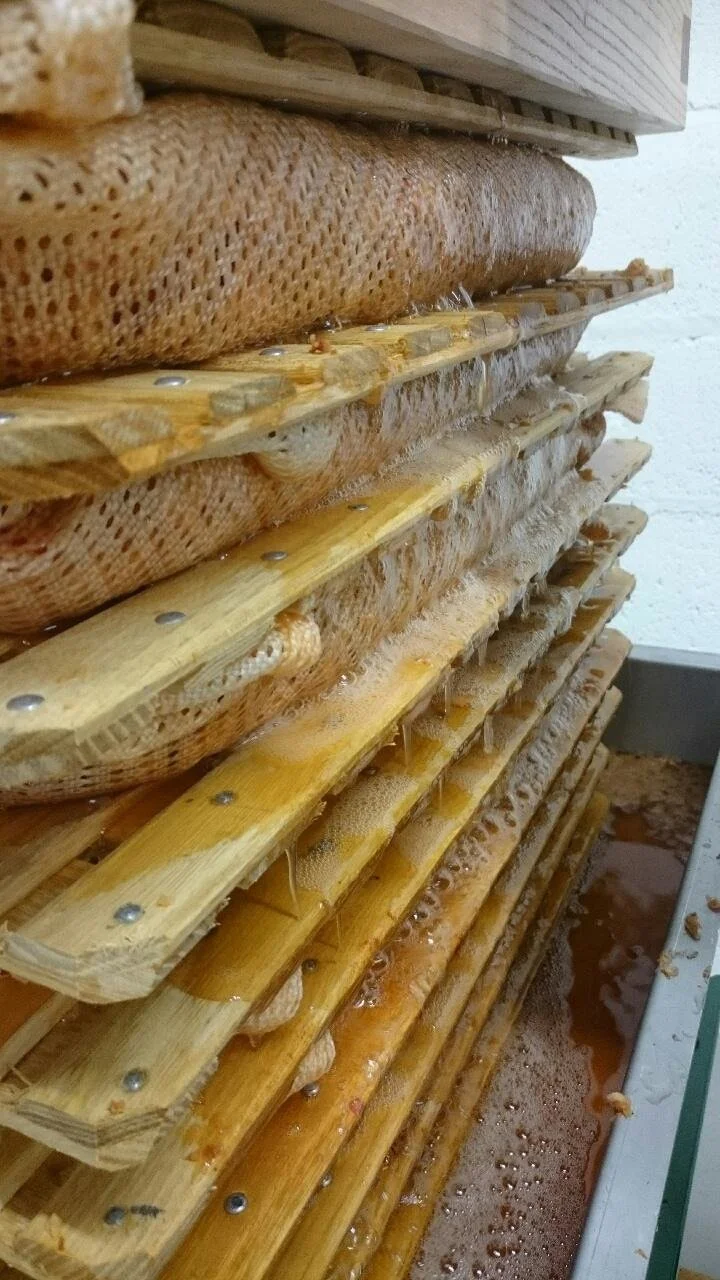
David is the company’s orchardist and cider-maker, picker of fruit, miller and presser of apples, orchestrator of bottling and of procurement, conductor of sales and marketing (such as they are) as well as of financial matters. He is ably assisted in the milling and pressing of fruit and in the bottling of apple juice by the Brabbins brothers, Alex and Leo; there may not be a colder cider barn in Gloucestershire, but they press on, regardless. Martin Hayes, orchardist and sage, has over the years helped to pick tonnes of apples each autumn and provided invaluable assistance in all sorts of ways, although his decision to move to Wales has put a rather large hole in the prospect of any further help from him. Long-standing friends Steve and Tom have appeared from time to time to help gather the harvest, also to enjoy an afternoon siesta in the warmth of a sunny autumnal afternoon - invaluable support.
David’s family have also been known to “help”, from time to time … although the helpfulness of using a pallet truck as either chariot or battering ram isn’t yet immediately apparent. Nevertheless, their presence at the barn and in orchards is generally welcomed. Freya is adept at labelling, Caspar’s skill is in pressing fruit; on one occasion he defied well-established laws of physics by creating matter, producing 101.4 litres of juice out of 100 kgs of apples. Ben can be relied upon to spray wasps - as well as other occupants of the barn in close proximity - with the power hose. Frances thinks the barn is messy, an opinion in which she is, of course, entirely correct.
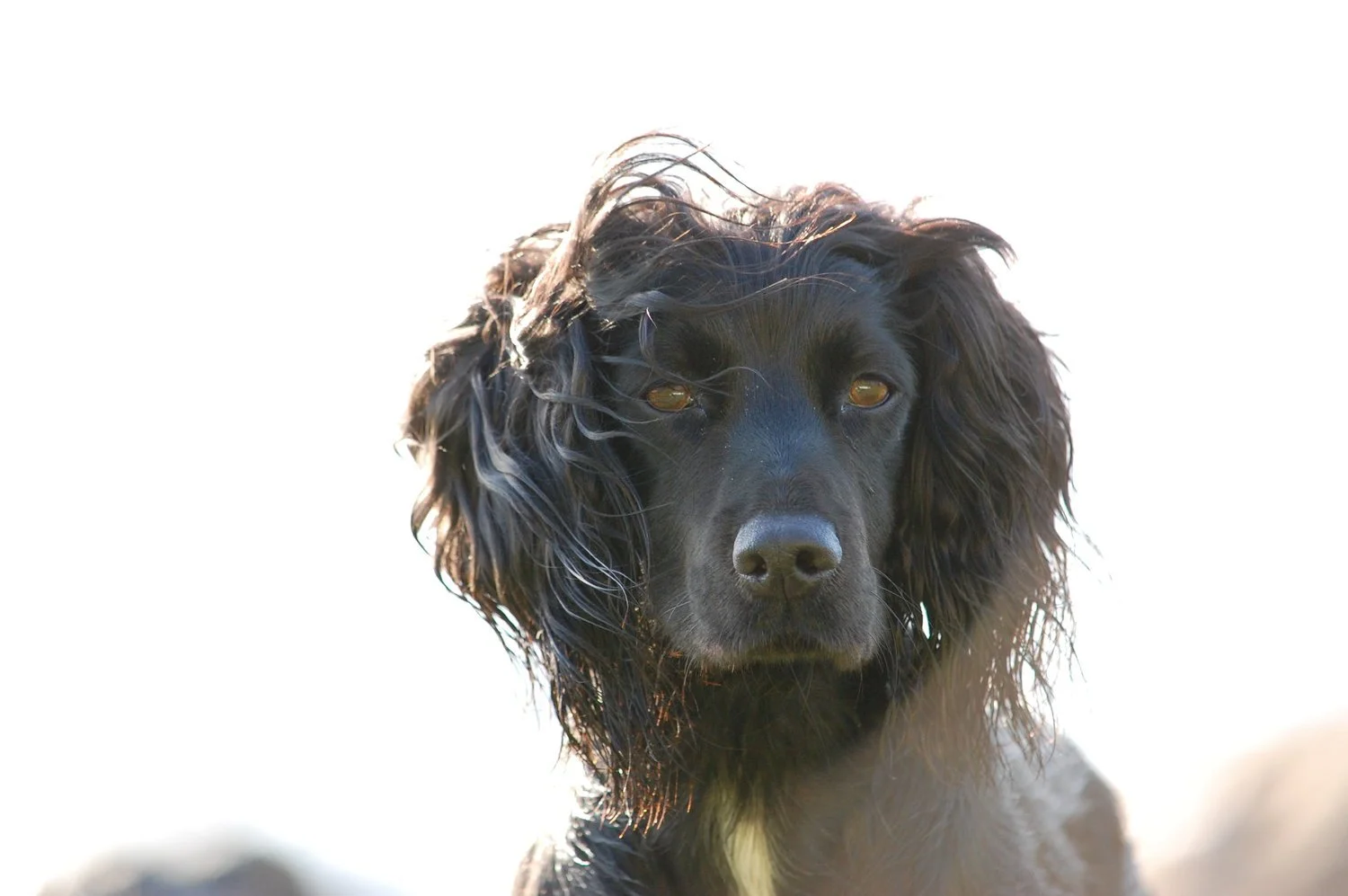
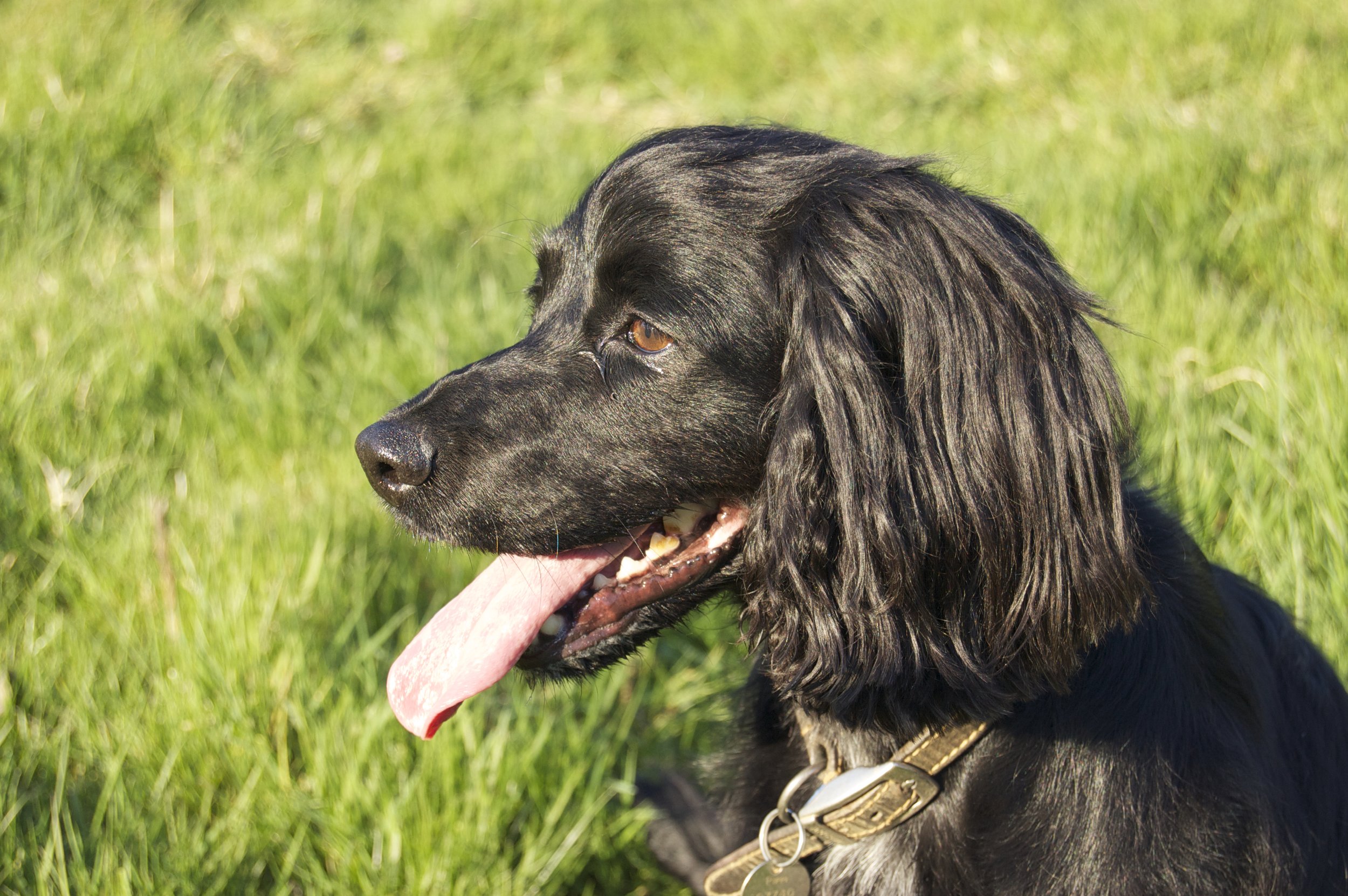
Holding this motley collection together is Pippi the Dog, motivator, therapist and companion, without whom not a lot would be achieved and we'd all be a lot less happy.
Welcome to the team!
Productive British Workers
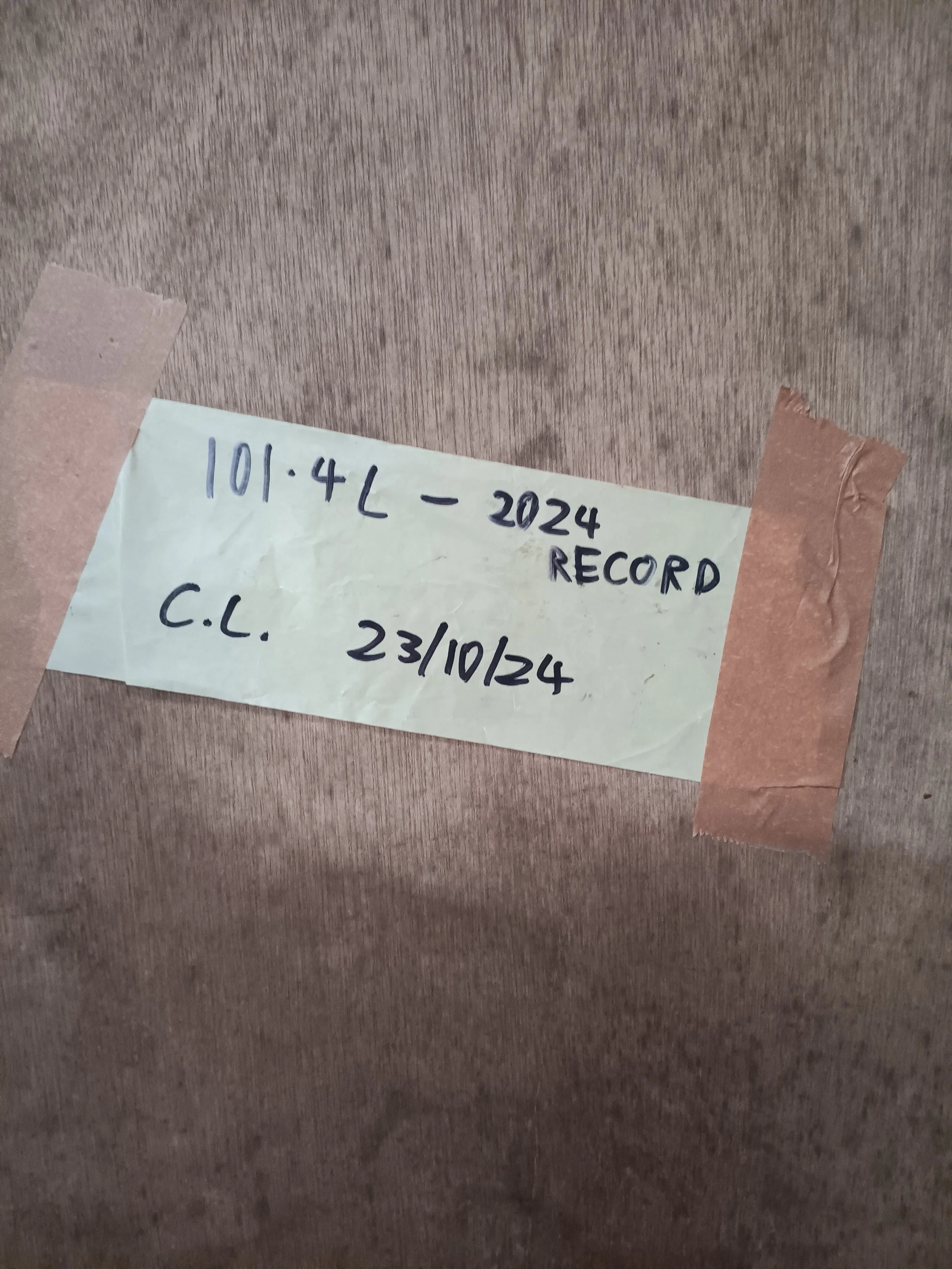
Matter cannot be created or destroyed … in theory
The rationale
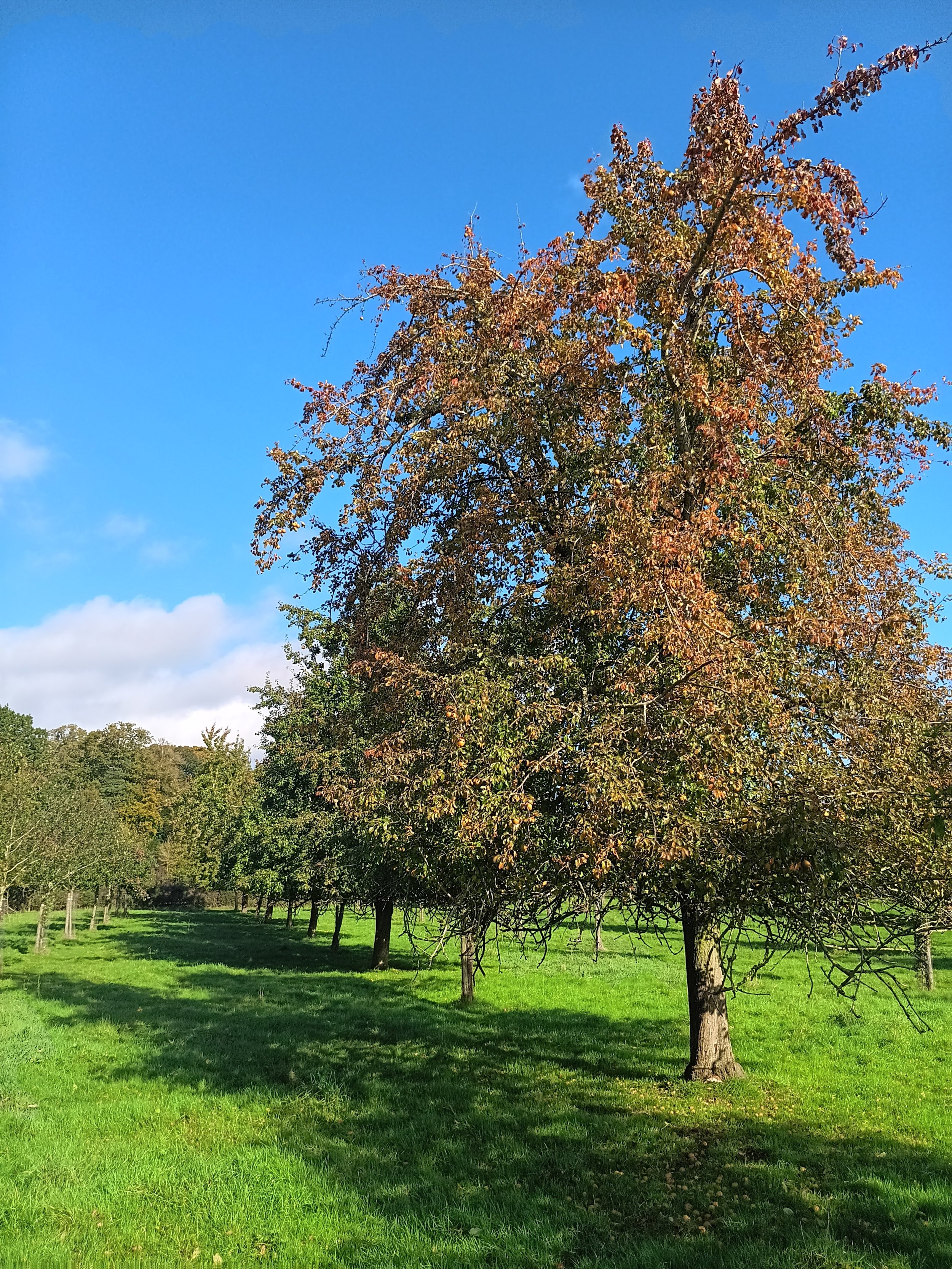
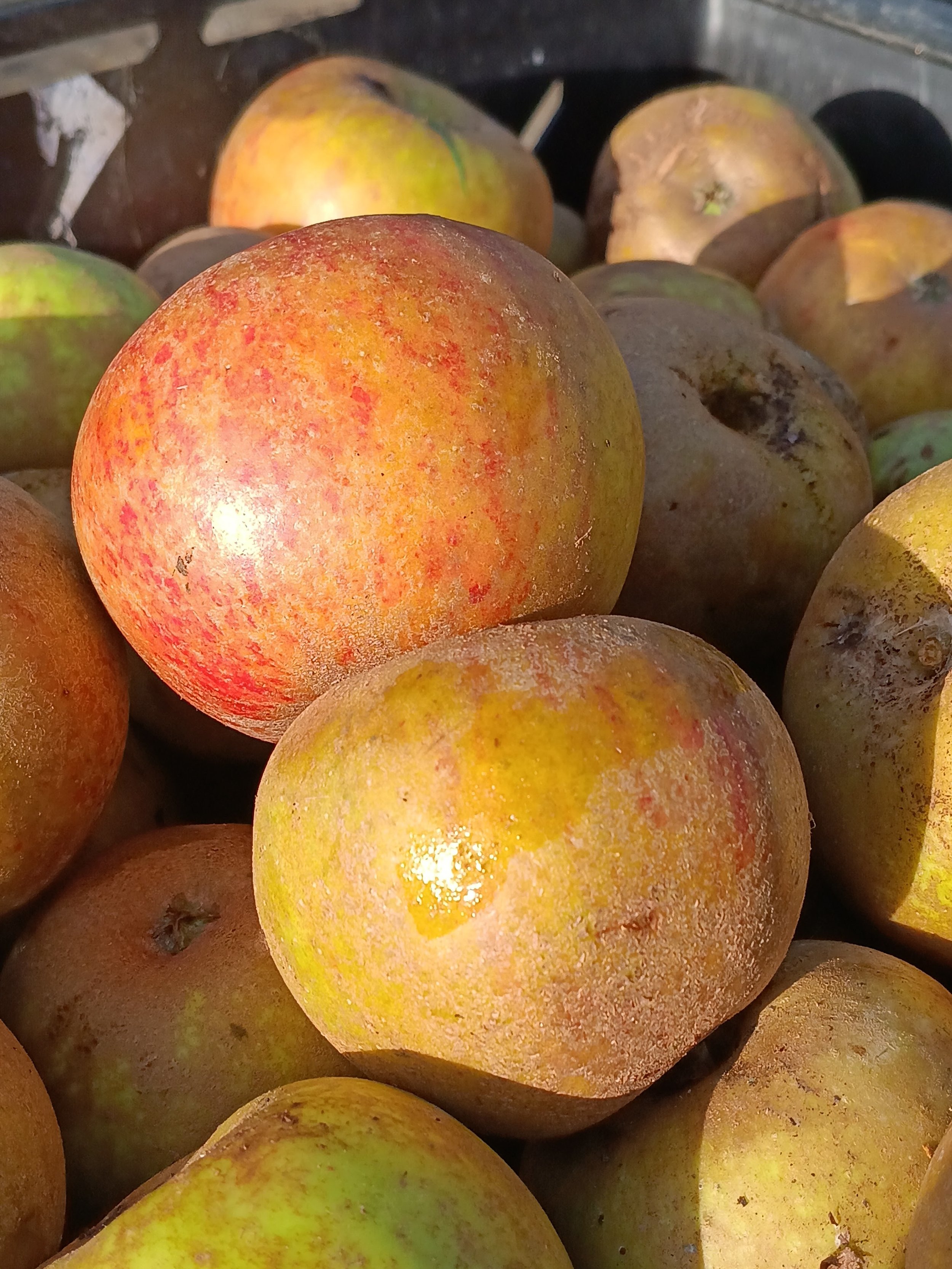
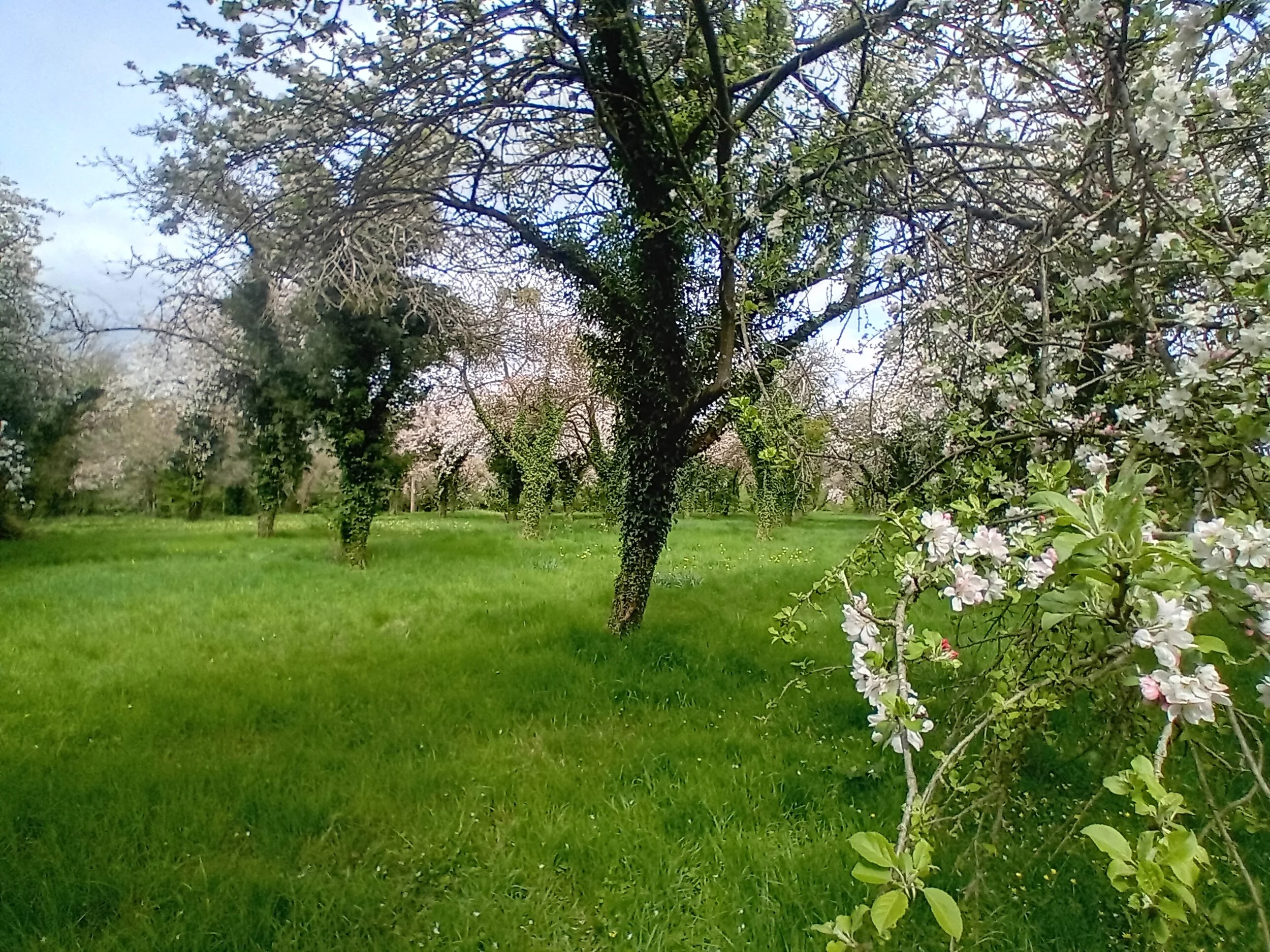
Why we do what we do.
In a world where loss of biodiversity is as serious an issue as climate change, traditional orchards take on a significance at odds with their recent decline. Of this once familiar feature of Gloucestershire’s rural landscape, a huge proportion - about 70% - of traditional orchards have disappeared since their zenith in the the 1950s, a result of changes in agriculture, urban expansion, as well as the way supermarkets buy fruit … and also in the way cider is made in this country; by far the largest user of apples in the nation, the methods and practises of large cider-makers have a real impact on the health and relevance, or otherwise, of orchards.
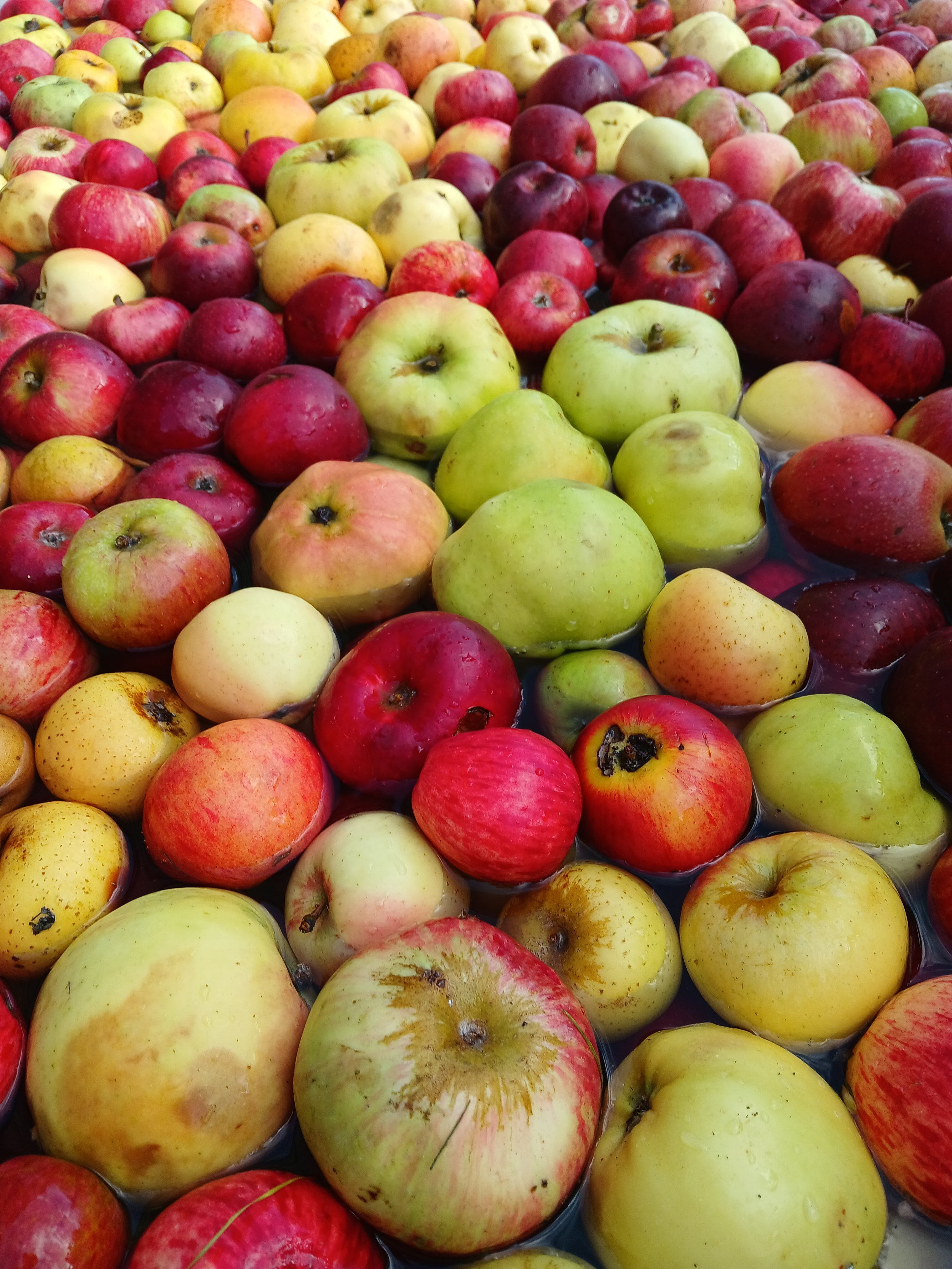
Orchards are a mosaic of habitats, havens of biodiversity, home to literally hundreds of species of fauna, flora and funga. Mosses and lichen thrive on ageing bark, hollow trunks of ancient trees and the nooks and crannies of fast-maturing wood provide invaluable and increasingly rare shelter for birds, bats and all manner of invertebrates. The surrounding wildflower pastures offer sustenance for bees and other pollinators. Scrub, log-piles, fallen trees, the surrounding hedges and the occasional pond provide yet more habitat for myriad creatures that call orchards their home. All told, traditional orchards are one of the most biodiverse habitats in the country, a fact of increasing importance in a country often cited as being one of the most nature depleted nations on Earth.
By making cider and juice from fruit gathered from these orchards, we help sustain them. Although small in scale, the mere fact of our existence, our simple interest in orchards and the unsprayed fruit that comes from them and the resulting purchase of a few tonnes of fruit each year makes a difference, a reminder to land-owners that old orchards are still relevant, are still useful, do still have value, along with landscape and cultural importance.
And, as though to repay the favour, these old orchards sustain our interest in cider-making. They are home to rare and unusual varieties of fruit, fruit that reflects the land in which it is grown, the soil and the underlying rock, the shape and slope of the ground, the wind and the weather, also that reflects the place and the people who first discovered old varieties or first raised them, the result of deliberate effort and experiment. Dymock Red, Cambridge Quoining, Ashmead’s Kernel, no longer of any interest to large cider-makers interested in consistency and financial return, but of inestimable interest to a small cider-maker seeking to explore Gloucestershire’s orchards and the unique varieties of fruit that come from them.